
Scientists map Mars' ancient rivers for first time
Researchers at the University of Texas at Austin have completed the first comprehensive mapping of large river drainage systems on Mars, identifying 16 massive watersheds that once channeled water across the Red Planet billions of years ago. The discovery, published in Proceedings of the National Academy of Sciences and announced on December 1, provides the most detailed picture yet of where ancient Martian life would have been most likely to thrive.
The study reveals that while these large drainage systems cover only 5% of Mars' ancient terrain, they contributed about 42% of all sediment eroded by rivers on the planet. Each watershed spans at least 100,000 square kilometers—the threshold for large drainage basins on Earth—making them comparable in scale to terrestrial river systems like the Colorado River basin in Texas.
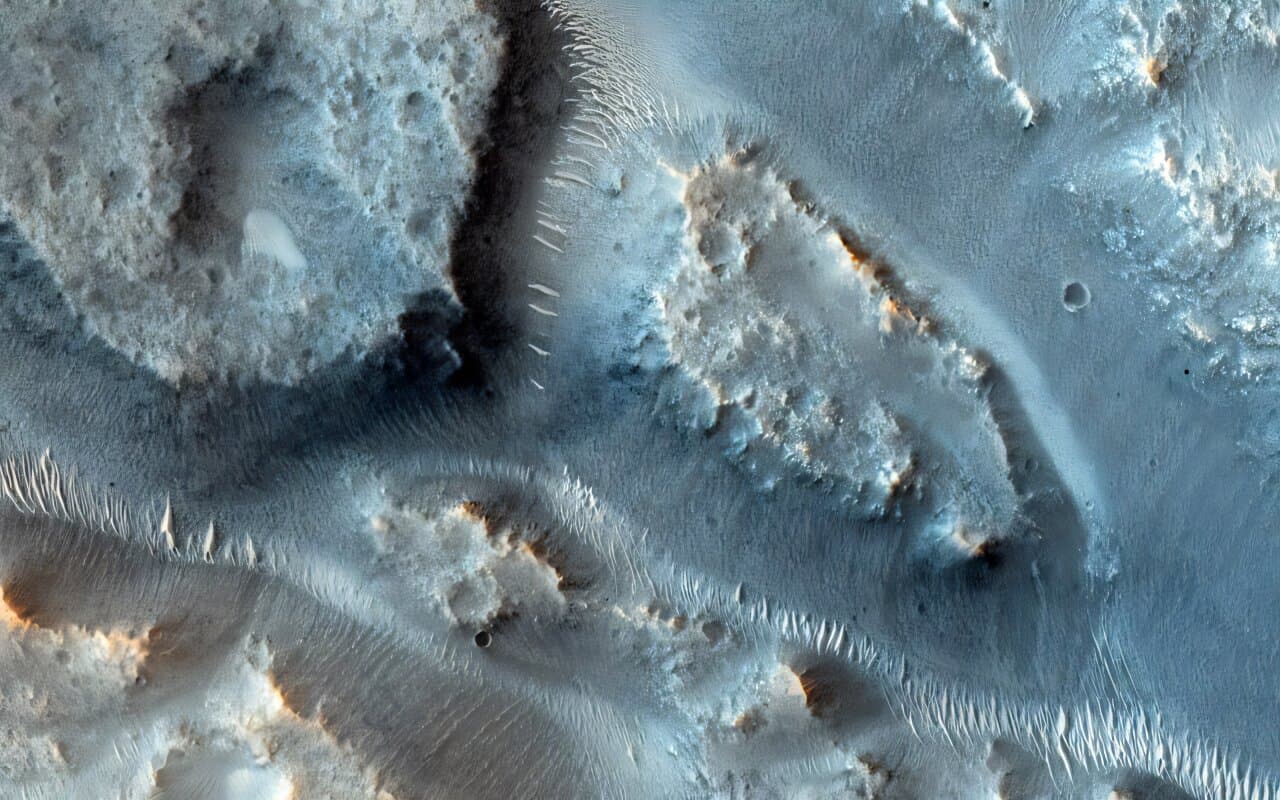
A recent study from The University of Texas at Austin has identified 16 large river drainage systems on Mars, suggesting these areas could have been cradles for life. The research, published in the Proceedings of the National Academy of Sciences, marks the first systematic identification of such systems on the red planet. These large drainage basins, which cover only 5% of Mars' ancient terrain, represent 42% of the total material eroded by rivers, making them prime locations for future exploration to search for signs of past life. The study highlights the importance of these areas for understanding Mars' habitability and guiding future missions.
0 Comments