
7,000-year-old underwater wall discovered off the coast of France
"TAF1 is not just massive; it’s ancient as well. By reconstructing ancient shorelines, researchers dated the wall to between 5,800 and 5,300 B.C. That’s centuries older than Stonehenge, and millennia older than the pyramids of Giza. Quarrying, transporting, and positioning multi-ton monoliths would have required careful planning, technical skill, social organization. These were hunter-gatherers, yes, but clearly not simple ones."
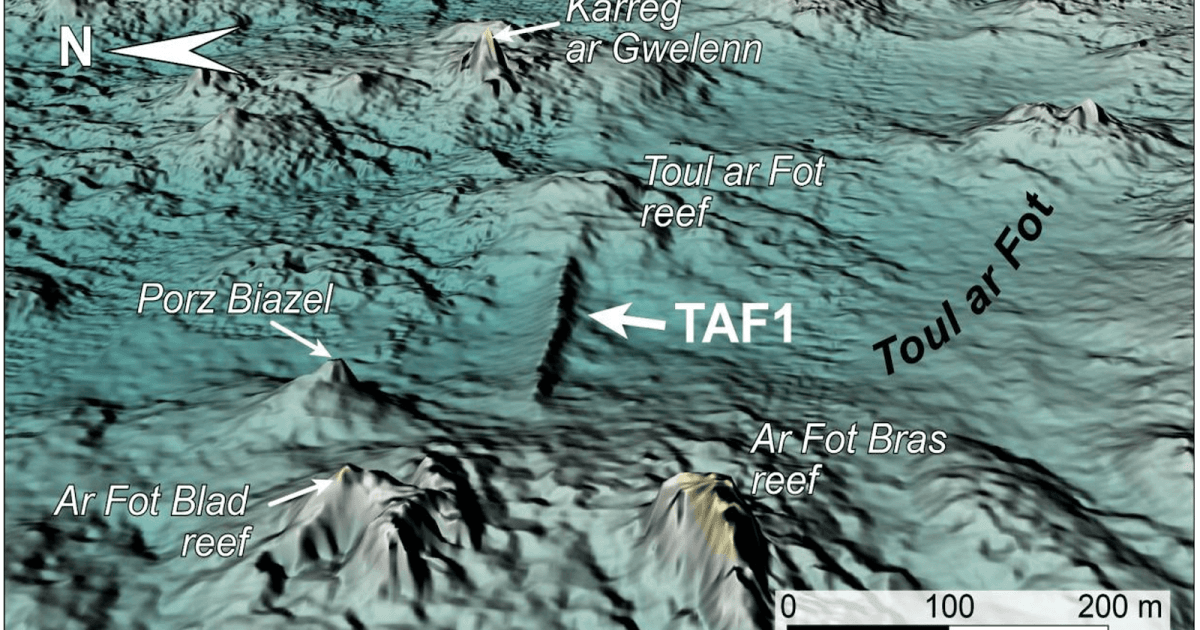
This article discusses the discovery of a 7,000-year-old underwater wall off the coast of France, named TAF1, which raises questions about ancient engineering and lost-city legends. The wall, consisting of 60 massive granite monoliths, is the largest underwater structure ever discovered in France and dates back to between 5,800 and 5,300 B.C. Researchers suggest it may have been built as a defensive dyke or a fish trap, showcasing the technical skill and social organization of prehistoric communities. The discovery also hints at a transfer of knowledge between Mesolithic hunter-gatherers and early Neolithic farming societies. The article speculates that TAF1 may be linked to the legend of Ys, a sunken city in Breton folklore.
0 Comments